Play Public List
Information about plays
list: List of plays
retrieve: Information about a specific play by ID
GET /v2/plays/?format=api&offset=7600
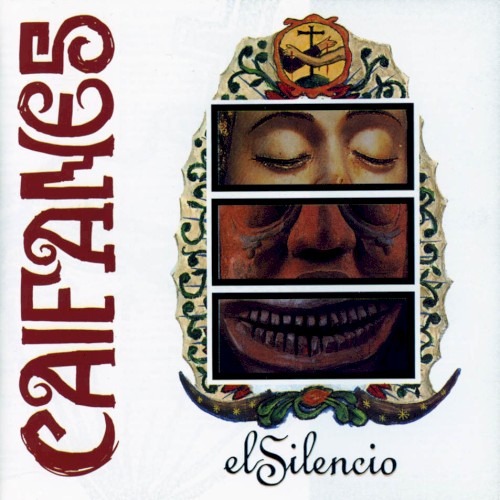
{ "next": "https://api.kexp.org/v2/plays/?format=api&limit=20&offset=7620", "previous": "https://api.kexp.org/v2/plays/?format=api&limit=20&offset=7580", "results": [ { "id": 3641704, "uri": "https://api.kexp.org/v2/plays/3641704/?format=api", "airdate": "2026-04-13T21:44:00-07:00", "show": 66446, "show_uri": "https://api.kexp.org/v2/shows/66446/?format=api", "image_uri": "", "thumbnail_uri": "", "comment": "", "location": 1, "location_name": "Default", "play_type": "airbreak" }, { "id": 3641703, "uri": "https://api.kexp.org/v2/plays/3641703/?format=api", "airdate": "2026-04-13T21:41:04-07:00", "show": 66446, "show_uri": "https://api.kexp.org/v2/shows/66446/?format=api", "image_uri": "", "thumbnail_uri": "", "song": "Bienvenidx a la Decadencia", "track_id": null, "recording_id": null, "artist": "Rose se fue", "artist_ids": [], "album": null, "release_id": null, "release_group_id": null, "labels": [], "label_ids": [], "release_date": "2026-03-12", "rotation_status": null, "is_local": false, "is_request": false, "is_live": false, "comment": "Rose se fue’s “Bienvenidx a la Decadencia” announces itself with theatrical clarity. Released on March 12, 2026 as a standalone single, the song’s title immediately frames the track as both invitation and warning. Welcome to decadence, yes, but also welcome to decline, spectacle, and the shared performance of collapse. Recent artist pages and platform listings show Rose se fue emerging through alternative and Latin rock channels, with live material already circulating online, and that context makes the single feel like a deliberate act of world-building. It is a song title built to carry an aesthetic. What makes it compelling is how open that decadence can be: political, emotional, social, nocturnal. The phrase is broad enough to invite interpretation but specific enough to set a mood. Songs like this often succeed when they understand atmosphere as identity, and “Bienvenidx a la Decadencia” clearly aims for that threshold where slogan becomes experience. The inclusive spelling in the title also matters. It places the track in a contemporary cultural language, signaling not just decline in the abstract, but a social space, a chosen scene, a shared ruin. That gives the song more than gothic surface. It suggests community inside disillusionment, and performance inside survival. Even from the available release data alone, that much is legible: Rose se fue is building a dramatic vocabulary that knows how to make collapse sound welcoming. \u2028Listen: https://open.spotify.com/track/11uN2TG7iGti8sebnd8vWe", "location": 1, "location_name": "Default", "play_type": "trackplay" }, { "id": 3641702, "uri": "https://api.kexp.org/v2/plays/3641702/?format=api", "airdate": "2026-04-13T21:37:20-07:00", "show": 66446, "show_uri": "https://api.kexp.org/v2/shows/66446/?format=api", "image_uri": "https://coverartarchive.org/release/1627622d-cc6e-40fe-9baa-425344fd9bab/2932716654-500.jpg", "thumbnail_uri": "https://coverartarchive.org/release/1627622d-cc6e-40fe-9baa-425344fd9bab/2932716654-250.jpg", "song": "Brillas", "track_id": null, "recording_id": "93d23857-acf0-41ba-8e7c-a04f4bf0b8a0", "artist": "León Larregui", "artist_ids": [ "436eb956-2a52-4bdf-aa79-4d73d952b2da" ], "album": "Solstis", "release_id": null, "release_group_id": "f25636ee-c6ad-4939-88b8-b56ecb58f797", "labels": [ "Universal Music Group" ], "label_ids": [ "19d052fa-570a-4b17-9a3d-8f2f029b7b57" ], "release_date": "2012-08-21", "rotation_status": null, "is_local": false, "is_request": false, "is_live": false, "comment": "León Larregui’s “Brillas” is one of the great modern Mexican love songs because it never confuses tenderness with softness. Released on his 2012 solo debut Solstis after years fronting Zoé, the song helped establish Larregui as something more than a frontman on sabbatical. The record’s official and catalog listings place “Brillas” near the front of the album, and platform notes around Larregui’s solo career identify it as one of the defining singles that carried Solstis to major commercial and critical visibility. That scale of success makes sense when you hear how the song works. It is romantic without becoming sugary, intimate without sounding small. Acoustic strums and brushed rhythm give it lift, but the emotional center comes from Larregui’s phrasing, which always carries a little ache inside the sweetness. “Brillas” glows rather than explodes. It moves with restraint, letting devotion arrive as atmosphere instead of spectacle. That is part of what has made it endure. The song feels personal, but not private; it leaves enough space for listeners to step inside its emotion and make it their own. In Larregui’s catalog, that balance between mysticism, desire, and direct melodic beauty is rare even by his standards. Here, he makes it seem effortless. \u2028Listen: https://open.spotify.com/track/6jZMIDO6RIeYJNdLiudeCS", "location": 1, "location_name": "Default", "play_type": "trackplay" }, { "id": 3641700, "uri": "https://api.kexp.org/v2/plays/3641700/?format=api", "airdate": "2026-04-13T21:32:20-07:00", "show": 66446, "show_uri": "https://api.kexp.org/v2/shows/66446/?format=api", "image_uri": "", "thumbnail_uri": "", "song": "Artificial", "track_id": null, "recording_id": null, "artist": "Diciembre Gris", "artist_ids": [], "album": "Silicona", "release_id": null, "release_group_id": null, "labels": [], "label_ids": [], "release_date": "2002-01-01", "rotation_status": null, "is_local": false, "is_request": false, "is_live": false, "comment": "Diciembre Gris’s “Artificial” comes from a band whose documented footprint is older, smaller, and more scene-bound than many others on this list, which gives the song a different kind of intrigue. Available through the group’s ReverbNation presence, “Artificial” belongs to a Woodland, California band remembered locally as part of that regional DIY ecosystem, with lineups and reunion traces still circulating through scene pages. That context makes the title especially apt. “Artificial” is a word rock bands have long used to talk about emotional falseness, synthetic culture, and estrangement from everyday life, and even without a large archive of formal press around the track, the song reads as part of that lineage. Diciembre Gris seem to come from a world where songs function first as direct emotional vehicles rather than carefully branded statements. There is something valuable in that. A track like “Artificial” does not need a massive mythology to resonate; the title already points toward tension between human feeling and imposed surface, between what is lived and what is staged. The band’s local history and later reunion note suggest music rooted in community memory as much as digital permanence. That gives “Artificial” an extra dimension now. It feels like a surviving fragment from a smaller circuit, still carrying its charge. \u2028Listen: https://www.reverbnation.com/diciembregris/song/6705937-artificial", "location": 1, "location_name": "Default", "play_type": "trackplay" }, { "id": 3641701, "uri": "https://api.kexp.org/v2/plays/3641701/?format=api", "airdate": "2026-04-13T21:30:44-07:00", "show": 66446, "show_uri": "https://api.kexp.org/v2/shows/66446/?format=api", "image_uri": "", "thumbnail_uri": "", "comment": "", "location": 1, "location_name": "Default", "play_type": "airbreak" }, { "id": 3641699, "uri": "https://api.kexp.org/v2/plays/3641699/?format=api", "airdate": "2026-04-13T21:24:17-07:00", "show": 66446, "show_uri": "https://api.kexp.org/v2/shows/66446/?format=api", "image_uri": "", "thumbnail_uri": "", "song": "Pat a Trenca", "track_id": null, "recording_id": null, "artist": "Triángulo de Amor Bizarro", "artist_ids": [ "c99d1db4-d5ab-4795-a7f5-42ebba5fd0bc" ], "album": "Pat a Trenca", "release_id": null, "release_group_id": null, "labels": [], "label_ids": [], "release_date": "2026-04-10", "rotation_status": null, "is_local": false, "is_request": false, "is_live": false, "comment": "Triángulo de Amor Bizarro’s “Pat a trenca” feels like another reminder of how the Galician band continues to age without softening. Fresh coverage around the single describes it as a more physical, concrete follow-up to “Sacrificio,” built from the memory of an authoritarian teacher and a child-world rebellion against humiliation and fear. That framing matters because it gives the song a vivid dramatic center before a note is even heard. Triángulo de Amor Bizarro have long specialized in making emotional and social violence feel atmospheric, but “Pat a trenca” appears to bring that tension into a more direct narrative form. The title itself has a hard texture, and the reported six-minute runtime suggests a song willing to let conflict accumulate rather than flash by. That patience suits the band. Their best work often expands repetition into menace, catharsis, or both. Here, the promise seems to be confrontation made tactile: childhood memory transformed into collective retaliation, private fear pushed outward until it becomes a shared scene. That is fertile territory for a band so skilled at combining density with propulsion. “Pat a trenca” sounds like it wants to make revenge feel rhythmic, not cleanly triumphant but charged, messy, and embodied. It is a compelling direction for a group that has always known how to turn pressure into atmosphere. \u2028Listen: https://open.spotify.com/track/2ZD2Th5vJoKNB2A0bMsHRB", "location": 1, "location_name": "Default", "play_type": "trackplay" }, { "id": 3641698, "uri": "https://api.kexp.org/v2/plays/3641698/?format=api", "airdate": "2026-04-13T21:20:30-07:00", "show": 66446, "show_uri": "https://api.kexp.org/v2/shows/66446/?format=api", "image_uri": "https://coverartarchive.org/release/80418cea-5f7e-48b9-a7de-d58175e51531/18047710272-500.jpg", "thumbnail_uri": "https://coverartarchive.org/release/80418cea-5f7e-48b9-a7de-d58175e51531/18047710272-250.jpg", "song": "Fallout", "track_id": null, "recording_id": "b7229549-b306-4fb1-8b11-f23980dee9d8", "artist": "Neon Indian", "artist_ids": [ "e8238c02-1cf0-4a51-bfd0-cee93904d351" ], "album": "Era Extraña", "release_id": null, "release_group_id": "f55f6628-cefa-44b0-97a5-97a73c91194f", "labels": [ "Transgressive Records" ], "label_ids": [ "0682fcd0-7372-4e2d-8503-710abd12883e" ], "release_date": "2011-09-07", "rotation_status": null, "is_local": false, "is_request": false, "is_live": false, "comment": "“Fallout” by Neon Indian is a shimmering, emotionally charged track from the 2011 album Era Extraña. Led by Alan Palomo, Neon Indian became a defining voice in the chillwave and synth-pop revival of the early 2010s, blending nostalgic textures with futuristic pop sensibilities.\n\n“Fallout” sits at the heart of Era Extraña’s colder, more expansive aesthetic, trading the hazy lo-fi warmth of earlier work for a more polished and cinematic sound. Built on layered synthesizers, steady electronic percussion, and reverb-drenched vocals, the track evokes both distance and emotional intensity. Its melodies drift like fragmented memories, balancing melancholy with a subtle sense of uplift.\n\nThe song captures Neon Indian’s shift toward a more mature, widescreen electronic palette, where intimacy and alienation coexist within the same glowing sonic space.\n\nhttps://www.youtube.com/watch?v=QwVQ9wWkXv0", "location": 1, "location_name": "Default", "play_type": "trackplay" }, { "id": 3641697, "uri": "https://api.kexp.org/v2/plays/3641697/?format=api", "airdate": "2026-04-13T21:18:45-07:00", "show": 66446, "show_uri": "https://api.kexp.org/v2/shows/66446/?format=api", "image_uri": "", "thumbnail_uri": "", "comment": "", "location": 1, "location_name": "Default", "play_type": "airbreak" }, { "id": 3641696, "uri": "https://api.kexp.org/v2/plays/3641696/?format=api", "airdate": "2026-04-13T21:15:00-07:00", "show": 66446, "show_uri": "https://api.kexp.org/v2/shows/66446/?format=api", "image_uri": "https://coverartarchive.org/release/758aa35a-25e9-4ad8-83a0-826e54d14359/43315137617-500.jpg", "thumbnail_uri": "https://coverartarchive.org/release/758aa35a-25e9-4ad8-83a0-826e54d14359/43315137617-250.jpg", "song": "INC.", "track_id": null, "recording_id": "5fd00ed3-7046-4f02-8995-38994e23c9ce", "artist": "Mengers", "artist_ids": [ "e0a15893-a805-4b54-b593-1ef4ab41a43a" ], "album": "Flavio", "release_id": null, "release_group_id": "ef8bae22-67e1-4181-972a-ed21ec9a4694", "labels": [], "label_ids": [], "release_date": "2025-10-17", "rotation_status": null, "is_local": false, "is_request": false, "is_live": false, "comment": "Mengers’ “INC.” lands inside Flavio like a sharp corner in a room already full of them. The Mexico City band’s 2025 album was presented as their third full-length, and even from the available release notes alone, you can sense the continuity of their approach: aggressive, nervy, and uninterested in sanding down noise-rock abrasion into something politely alternative. “INC.” benefits from that context because the title feels loaded in multiple directions at once. It evokes incorporation, institutions, business jargon, abbreviation, and the impersonality of systems, all useful materials for a band that thrives on pressure and dislocation. Mengers have built a reputation around making music that feels urban not simply because of where it comes from, but because of how it sounds: compressed, angular, overstimulated, alert. “INC.” appears well suited to that method. The song sits at the center of a record that promises jagged movement and hard surfaces, and its appeal likely lies in how it turns those qualities into momentum rather than clutter. There is a distinctly contemporary pleasure in hearing a band attack modern coldness with even colder tools. Mengers do not romanticize chaos; they engineer it. That makes “INC.” feel less like commentary from the sidelines than a live wire still sparking inside the machine. \u2028Listen: https://mengers.bandcamp.com/track/inc", "location": 1, "location_name": "Default", "play_type": "trackplay" }, { "id": 3641695, "uri": "https://api.kexp.org/v2/plays/3641695/?format=api", "airdate": "2026-04-13T21:11:20-07:00", "show": 66446, "show_uri": "https://api.kexp.org/v2/shows/66446/?format=api", "image_uri": "", "thumbnail_uri": "", "song": "static txomin", "track_id": null, "recording_id": "24ab304a-aba1-4997-873f-eb7a4d572c76", "artist": "Ezezez", "artist_ids": [ "77b16e22-95d0-4513-a15d-793df8f6e23b" ], "album": "Kabakriba", "release_id": null, "release_group_id": "ef97c245-8999-4195-b7e1-e82ba192fa87", "labels": [], "label_ids": [], "release_date": "2025-05-09", "rotation_status": null, "is_local": false, "is_request": false, "is_live": false, "comment": "EZEZEZ’s “static txomin” carries the compressed force of a band that likes friction as much as melody. The Basque group’s profile describes a style shaped by punk energy, danceability, and their own hybrid “euskoñol” language play, and that combination helps explain why the song feels both wiry and sly at once. Available as part of the Katuzaldia cycle and also as a more recent standalone single listing, “static txomin” suggests a band interested in tension that never calcifies into stiffness. The title itself has a strange internal voltage to it, and the track seems to mirror that with music that moves nervously rather than passively. EZEZEZ’s appeal lies in how they let irony, identity, and bodily momentum share the same space. The result is music that can feel playful without becoming lightweight, sharp without sounding joyless. “static txomin” thrives in that balance. It gives you rhythm with edges still attached, the kind of song that seems to twitch from the inside rather than glide on polished surfaces. There is a local specificity in the project’s language and context, but the song’s drive travels easily. It sounds like a private joke, a warning, and a dance impulse all at once, which is a very effective combination. \u2028Listen: https://open.spotify.com/track/7IB9VKhwaCETcEsqvD6p0Y", "location": 1, "location_name": "Default", "play_type": "trackplay" }, { "id": 3641694, "uri": "https://api.kexp.org/v2/plays/3641694/?format=api", "airdate": "2026-04-13T21:08:40-07:00", "show": 66446, "show_uri": "https://api.kexp.org/v2/shows/66446/?format=api", "image_uri": "https://coverartarchive.org/release/19d99103-2b3b-467a-a42e-44241fd10e43/29615147204-500.jpg", "thumbnail_uri": "https://coverartarchive.org/release/19d99103-2b3b-467a-a42e-44241fd10e43/29615147204-250.jpg", "song": "Dancing in the Dark", "track_id": null, "recording_id": "77276c54-60e5-4c22-b5cf-8e94d9d53953", "artist": "Downtown Boys", "artist_ids": [ "4bab4841-5584-4c04-a933-3f537fbe3aad" ], "album": "Full Communism", "release_id": null, "release_group_id": "e4ac84b6-9087-4a4c-9416-ee3444a1cc6f", "labels": [ "Don Giovanni Records" ], "label_ids": [ "dcea8cc5-4fc4-4f77-aeef-3e5a14863776" ], "release_date": "2015-05-05", "rotation_status": null, "is_local": false, "is_request": false, "is_live": false, "comment": "Downtown Boys’ version of “Dancing in the Dark” does not treat Bruce Springsteen’s song as sacred text. It grabs it by the collar and drags it into the band’s own bilingual, politically charged, high-voltage universe. Released on Full Communism in 2015, the cover lands inside an album already defined by urgency, confrontation, and a refusal to separate personal feeling from public pressure. That context matters, because Downtown Boys were never a band interested in nostalgia as comfort. Out of Providence, they built a sound that was blistering, communal, and deeply aware of systemic violence, and so their take on “Dancing in the Dark” feels less like homage than reclamation. The original’s longing remains, but the mood changes under Downtown Boys’ hands. Restlessness becomes attack. Frustration becomes propulsion. The song’s famous ache is still there, but it now feels crowded by history, by politics, by the sheer speed at which the band plays it. That transformation is what makes the cover memorable. Rather than smoothing the track into reverence, Downtown Boys reveal how elastic Springsteen’s writing can be when handed to artists with different stakes and a different temperature. Their version is furious, joyous, and just unstable enough to feel necessary. It is a cover that honors the song by refusing to behave around it. \u2028Listen: https://downtownboys.bandcamp.com/track/dancing-in-the-dark-2", "location": 1, "location_name": "Default", "play_type": "trackplay" }, { "id": 3641693, "uri": "https://api.kexp.org/v2/plays/3641693/?format=api", "airdate": "2026-04-13T21:06:37-07:00", "show": 66446, "show_uri": "https://api.kexp.org/v2/shows/66446/?format=api", "image_uri": "https://coverartarchive.org/release/f1ab3b40-a0a0-4915-993e-582ffe15a9e4/22604055915-500.jpg", "thumbnail_uri": "https://coverartarchive.org/release/f1ab3b40-a0a0-4915-993e-582ffe15a9e4/22604055915-250.jpg", "song": "Resistol", "track_id": null, "recording_id": null, "artist": "Belafonte Sensacional", "artist_ids": [ "2fa364f9-8c12-46bd-8846-437a5dbfdc10" ], "album": "Soy piedra", "release_id": null, "release_group_id": "3515f9c5-095c-4515-a490-546f1a95013c", "labels": [], "label_ids": [], "release_date": "2019-03-15", "rotation_status": null, "is_local": false, "is_request": false, "is_live": false, "comment": "Belafonte Sensacional’s “Resistol” is brief, wiry, and oddly moving, the kind of song that feels tossed off in two minutes but leaves adhesive residue behind, true to its title. Released on Soy Piedra in 2019, it belongs to a record that sharpened the Mexico City project’s gift for turning neighborhood realism, folk-rock instinct, and punk abrasion into something distinctly their own. Led by Israel Ramírez, Belafonte Sensacional has long worked in a register where street language, literary allusion, and emotional wreckage can coexist without ceremony, and “Resistol” distills that sensibility into a compact burst. There is something volatile in the song’s construction: it moves quickly, but never lightly. Its tension comes from compression, from how much atmosphere and personality can be forced into such a short runtime. The band’s music often feels rooted in specific places and social textures, and “Resistol” carries that same rough intimacy. It is not polished into anonymity. It still sounds like people in a room, like nerves, like friction, like thought arriving half a second too late. That roughness is part of its beauty. Rather than striving for grandeur, the song achieves something harder: a lived-in emotional truth that sticks fast and keeps clinging after the last chord cuts out. \u2028Listen: https://open.spotify.com/track/6KpTKRYjv9Oz2Sv0jmuGVR", "location": 1, "location_name": "Default", "play_type": "trackplay" }, { "id": 3641692, "uri": "https://api.kexp.org/v2/plays/3641692/?format=api", "airdate": "2026-04-13T21:02:43-07:00", "show": 66446, "show_uri": "https://api.kexp.org/v2/shows/66446/?format=api", "image_uri": "", "thumbnail_uri": "", "song": "La puerta de Alcalá", "track_id": null, "recording_id": "80b29c48-059f-4572-8550-bf717dfa2ce8", "artist": "Ana Belén & Víctor Manuel", "artist_ids": [ "f8dff62b-2cc1-4ce9-8def-05a45421f3fe", "e9c8cad5-d9e2-4e64-9b4f-44cb5bc80701" ], "album": "Personalidad", "release_id": null, "release_group_id": "e84e3325-e092-369f-8d97-3b625bd35afb", "labels": [], "label_ids": [], "release_date": null, "rotation_status": null, "is_local": false, "is_request": false, "is_live": false, "comment": "Ana Belén and Víctor Manuel’s “La Puerta de Alcalá” is pop as public memory. Released as a 1986 single, the song has long since grown beyond its original chart life into something closer to civic folklore, a piece of Spanish popular music so embedded in collective consciousness that later retrospectives and television tributes place it alongside the most emblematic songs of the 1980s. That makes sense because the song turns Madrid’s famous monument into more than a landmark. It becomes a witness, a threshold through which history, private longing, and urban identity all pass. The lyric’s search for “a door” where past and present can coexist gives the song its real depth. This is not simply a nostalgic city anthem. It is a meditation on change, memory, and survival dressed in accessible melodic form. Ana Belén and Víctor Manuel were uniquely positioned to carry that weight, bringing political and cultural gravitas without losing warmth. What still makes “La Puerta de Alcalá” so moving is its scale. It sounds public, but it feels human. The city is there, yes, but so is the solitary figure walking through it, looking for continuity inside movement. Few songs make monumentality feel this intimate. \u2028Listen: https://open.spotify.com/track/29opVIw8I1BOZntEn3Un2I", "location": 1, "location_name": "Default", "play_type": "trackplay" }, { "id": 3641691, "uri": "https://api.kexp.org/v2/plays/3641691/?format=api", "airdate": "2026-04-13T21:00:00-07:00", "show": 66446, "show_uri": "https://api.kexp.org/v2/shows/66446/?format=api", "image_uri": "", "thumbnail_uri": "", "comment": "", "location": 1, "location_name": "Default", "play_type": "airbreak" }, { "id": 3641690, "uri": "https://api.kexp.org/v2/plays/3641690/?format=api", "airdate": "2026-04-13T20:56:29-07:00", "show": 66446, "show_uri": "https://api.kexp.org/v2/shows/66446/?format=api", "image_uri": "https://coverartarchive.org/release/eca4bc84-693c-47a6-a197-a69310fba19b/25046377310-500.jpg", "thumbnail_uri": "https://coverartarchive.org/release/eca4bc84-693c-47a6-a197-a69310fba19b/25046377310-250.jpg", "song": "No Miracles", "track_id": null, "recording_id": "d4a705a1-77e0-47f2-9f46-ac7c9730b9ba", "artist": "SDH", "artist_ids": [ "77655d87-3211-462b-9622-dee287b904b5" ], "album": "Against Strong Thinking", "release_id": null, "release_group_id": "b0229dde-56b5-414e-9464-0b85a4ef76c8", "labels": [ "Avant! Records" ], "label_ids": [ "5eebd884-1e7a-4377-a06c-3e1dbb67ff42" ], "release_date": "2020-02-14", "rotation_status": null, "is_local": false, "is_request": false, "is_live": false, "comment": "“No Miracles” by SDH is a stark, atmospheric cut from their 2020 album How Do You Feel?. The Barcelona-based duo—Sonia Herrero and Ivan de la Rouch—are known for their coldwave and dark synth-pop sound, blending analog minimalism with emotionally charged vocals.\n\nThe track is built on a restrained, pulsing electronic framework, where each element feels carefully spaced and deliberately холод in tone. Sparse drum machine patterns and brooding synth lines create a sense of tension, while the vocal delivery remains detached yet haunting, reinforcing themes of emotional distance and disillusionment.\n\n“No Miracles” captures SDH’s ability to balance danceable structure with introspective weight, making music that works equally in a club setting or a solitary late-night listen. It’s a reminder that transformation in their world is not sudden or miraculous, but slow, mechanical, and human.\n\nhttps://www.youtube.com/watch?v=QwVQ9wWkXv0", "location": 1, "location_name": "Default", "play_type": "trackplay" }, { "id": 3641689, "uri": "https://api.kexp.org/v2/plays/3641689/?format=api", "airdate": "2026-04-13T20:52:50-07:00", "show": 66446, "show_uri": "https://api.kexp.org/v2/shows/66446/?format=api", "image_uri": "https://coverartarchive.org/release/7b53bd5c-7992-48d5-ab71-3535ff85d8c0/39525681427-500.jpg", "thumbnail_uri": "https://coverartarchive.org/release/7b53bd5c-7992-48d5-ab71-3535ff85d8c0/39525681427-250.jpg", "song": "Move", "track_id": null, "recording_id": "b31a47e1-1a9d-42e4-898c-dc189bebb441", "artist": "Dark Chisme", "artist_ids": [ "2df279da-29e0-42d8-9e1e-0e3fd722f3d3" ], "album": "Dark Chisme", "release_id": null, "release_group_id": "10e39631-bb46-48bd-9708-f66184ec6495", "labels": [ "[no label]" ], "label_ids": [ "157afde4-4bf5-4039-8ad2-5a15acc85176" ], "release_date": "2024-07-22", "rotation_status": null, "is_local": false, "is_request": false, "is_live": false, "comment": "“Move” by Dark Chisme is a sleek, rhythm-forward track that sits comfortably within the contemporary Latin alternative electronic underground. While detailed official release metadata for the song is limited, Dark Chisme is known for blending club-oriented production with experimental textures, drawing from house, electro-pop, and bass-heavy global dance music.\n\n“Move” is built around a propulsive groove designed for motion—tight percussion, layered synth stabs, and a steady low-end pulse that gives the track its physical momentum. The production feels minimal but intentional, prioritizing rhythm and atmosphere over dense melodic development. Vocal elements, where present, are used sparingly and more as texture than narrative, reinforcing the track’s focus on movement and vibe.\n\nThe result is a hypnotic, dancefloor-ready piece that captures Dark Chisme’s aesthetic: modern, borderless electronic music that thrives on repetition, energy, and subtle sonic detail.\n\nhttps://www.youtube.com/watch?v=QwVQ9wWkXv0", "location": 1, "location_name": "Default", "play_type": "trackplay" }, { "id": 3641688, "uri": "https://api.kexp.org/v2/plays/3641688/?format=api", "airdate": "2026-04-13T20:48:10-07:00", "show": 66446, "show_uri": "https://api.kexp.org/v2/shows/66446/?format=api", "image_uri": "https://coverartarchive.org/release/4a62d75e-9751-40e3-a7ad-64d27dc6114f/35196224248-500.jpg", "thumbnail_uri": "https://coverartarchive.org/release/4a62d75e-9751-40e3-a7ad-64d27dc6114f/35196224248-250.jpg", "song": "Fed Up", "track_id": null, "recording_id": "00b34436-8d1d-4546-b210-cb1f14c04ce3", "artist": "Hocico", "artist_ids": [ "b16fd684-831e-4128-8120-6626e76f88c6" ], "album": "The Spell of the Spider", "release_id": null, "release_group_id": "f028f5b9-cd49-4efd-8a26-1b75ba6a9c13", "labels": [ "Out of Line" ], "label_ids": [ "0e4086ea-c5e6-47f8-a6cc-f93f080a7ced" ], "release_date": "2017-07-21", "rotation_status": null, "is_local": false, "is_request": false, "is_live": false, "comment": "Hocico’s “Fed Up” is industrial fatigue turned into attack. Associated with The Spell of the Spider and also present in the band’s broader release ecosystem, the track belongs to a project that has spent decades making rage feel mechanized without ever losing its human venom. Hocico, the long-running Mexican electro-industrial duo led by Erk Aicrag and Racso Agroyam, have always thrived on intensity that sounds earned rather than decorative, and “Fed Up” fits that lineage neatly. The title is blunt, almost conversational, but that plainness is part of its force. Being fed up is not abstract despair. It is the moment irritation curdles into refusal, when endurance hardens into contempt. Hocico know how to score that transition. Their music often fuses harsh electronics, club propulsion, and emotional extremity, making songs that feel equally suited to confrontation and catharsis. “Fed Up” sounds like a pressure valve opened only halfway, enough to release violence into motion but not enough to restore calm. That is why it works. The track does not promise healing or clarity. It offers a more immediate truth: exhaustion can become fuel, and disgust can still move the body. In the hands of a lesser act, that could sound formulaic. Hocico make it feel elemental. \u2028Listen: https://hocico666.bandcamp.com/track/fed-up", "location": 1, "location_name": "Default", "play_type": "trackplay" }, { "id": 3641687, "uri": "https://api.kexp.org/v2/plays/3641687/?format=api", "airdate": "2026-04-13T20:42:01-07:00", "show": 66446, "show_uri": "https://api.kexp.org/v2/shows/66446/?format=api", "image_uri": "https://coverartarchive.org/release/e9116215-455b-4cd4-a97b-e6750745c06a/21535433590-500.jpg", "thumbnail_uri": "https://coverartarchive.org/release/e9116215-455b-4cd4-a97b-e6750745c06a/21535433590-250.jpg", "song": "Magnétique", "track_id": null, "recording_id": "74866926-d166-4729-942c-4983806c7344", "artist": "La bande-son imaginaire", "artist_ids": [ "eb92ba5b-89a3-4e4a-86af-d2e110bfe442" ], "album": "Mezcal a pleno vuelo", "release_id": null, "release_group_id": "675a680e-faa7-4507-9343-750078b8df25", "labels": [ "[no label]" ], "label_ids": [ "157afde4-4bf5-4039-8ad2-5a15acc85176" ], "release_date": "2018-04-05", "rotation_status": null, "is_local": false, "is_request": false, "is_live": false, "comment": "La Bande-Son Imaginaire’s “Magnétique” lives up to its name with a beautifully measured pull. Released in 2018 as part of Mezcal a pleno vuelo, the Oaxaca project places itself in a zone where synth-driven darkness, cinematic pacing, and nocturnal sensuality all converge. The Bandcamp release and streaming listings point to a group rooted in Mexico but reaching toward a wider dream of coldwave and electronic post-punk, and “Magnétique” feels like one of those tracks where atmosphere is not background but structure. It draws the listener in gradually, through tone, pulse, and suggestion. That magnetism is not flashy. It is patient, which makes it more persuasive. The title promises attraction, but the song’s deeper strength lies in ambiguity: what exactly is being pulled toward what, and with what consequences? Tracks like this work because they avoid explaining too much. Instead, they let texture do the emotional labor. La Bande-Son Imaginaire seem especially attuned to that method, treating electronic instrumentation not as sterile machinery but as a medium for mood and tension. “Magnétique” feels poised between seduction and disorientation, as if desire itself had become an electrical field. It is sleek without being empty, dark without becoming blunt, and memorable precisely because it knows how to let a song unfold like a spell rather than a declaration. \u2028Listen: https://labandeson.bandcamp.com/track/magn-tique", "location": 1, "location_name": "Default", "play_type": "trackplay" }, { "id": 3641686, "uri": "https://api.kexp.org/v2/plays/3641686/?format=api", "airdate": "2026-04-13T20:39:10-07:00", "show": 66446, "show_uri": "https://api.kexp.org/v2/shows/66446/?format=api", "image_uri": "", "thumbnail_uri": "", "comment": "", "location": 1, "location_name": "Default", "play_type": "airbreak" }, { "id": 3641685, "uri": "https://api.kexp.org/v2/plays/3641685/?format=api", "airdate": "2026-04-13T20:34:15-07:00", "show": 66446, "show_uri": "https://api.kexp.org/v2/shows/66446/?format=api", "image_uri": "https://coverartarchive.org/release/63a47649-4f0d-38a7-91b8-e9ad5f7c2b5b/11858497454-500.jpg", "thumbnail_uri": "https://coverartarchive.org/release/63a47649-4f0d-38a7-91b8-e9ad5f7c2b5b/11858497454-250.jpg", "song": "Nos vamos juntos", "track_id": null, "recording_id": "9c90da84-5163-4815-9017-67845d569c13", "artist": "Caifanes", "artist_ids": [ "77814bfb-f1b0-47fd-8492-65d6f72c246d" ], "album": "El silencio", "release_id": null, "release_group_id": "af9eec57-eef7-3091-9a1b-2ebc6fdd88da", "labels": [], "label_ids": [], "release_date": "1992-09-08", "rotation_status": null, "is_local": false, "is_request": false, "is_live": false, "comment": "“Nos Vamos Juntos” by Caifanes is a powerful, emotionally charged track from their 1992 album El Silencio. Arriving after the departure of key member Alejandro Marcovich’s earlier bandmate era and amid internal shifts, the album captures a band in transition, pushing toward a heavier and more expansive rock sound.\n\nThe song blends soaring guitar lines with a steady, driving rhythm section, creating a sense of urgency and emotional intensity. Saúl Hernández’s vocal delivery is impassioned and intimate, carrying themes of unity, departure, and enduring connection. There’s a cinematic quality to the arrangement, with dynamics that rise and fall like a conversation between tension and release.\n\n“Nos Vamos Juntos” stands out as one of Caifanes’ more anthemic moments, balancing vulnerability with power and reinforcing their legacy as one of the defining voices in Latin American rock.\n\nhttps://www.youtube.com/watch?v=QwVQ9wWkXv0", "location": 1, "location_name": "Default", "play_type": "trackplay" } ] }