Play Public List
Information about plays
list: List of plays
retrieve: Information about a specific play by ID
GET /v2/plays/?format=api&offset=29180&ordering=-airdate
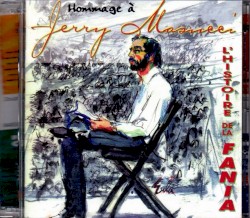
{ "next": "https://api.kexp.org/v2/plays/?format=api&limit=20&offset=29200&ordering=-airdate", "previous": "https://api.kexp.org/v2/plays/?format=api&limit=20&offset=29160&ordering=-airdate", "results": [ { "id": 3621406, "uri": "https://api.kexp.org/v2/plays/3621406/?format=api", "airdate": "2026-02-23T20:19:22-08:00", "show": 66014, "show_uri": "https://api.kexp.org/v2/shows/66014/?format=api", "image_uri": "", "thumbnail_uri": "", "song": "Kumbia Tequendama", "track_id": null, "recording_id": null, "artist": "Amantes del futuro, Conjunto Media Luna", "artist_ids": [ "7f74b684-b7a5-40d1-a0f8-bcb1e7edd64c", "b9ad296e-c7a7-462c-b906-6e42754db401" ], "album": "Kumbia Tequendama", "release_id": null, "release_group_id": null, "labels": [], "label_ids": [], "release_date": "2026-03-06", "rotation_status": null, "is_local": false, "is_request": false, "is_live": false, "comment": "Tonight, you’re hearing it first — a KEXP world premiere.\n“Kumbia Tequendama” is a collaboration between Conjunto Media Luna and Amantes del Futuro, rooted in a musical brotherhood between Colombia and Mexico. Produced between Mérida, Medellín, and the Mambo Negro studios in Bogotá, the track blends accordion, drum machines, and synthesizers into a forward-looking vision of cumbia.\n\nThe single will be released March 6, 2026, digitally via In-Correcto and on 45rpm vinyl through Little Beat More. It also forms part of Sociedad Internacional de la Kumbia, the upcoming Conjunto Media Luna album celebrating a decade of expanding global cumbia culture.\n***\nEsta noche la escuchas primero aquí en KEXP — estreno mundial en El Sonido.\n“Kumbia Tequendama” une a Conjunto Media Luna y Amantes del Futuro en una colaboración marcada por la hermandad musical entre Colombia y México. Producida entre Mérida, Medellín y los estudios Mambo Negro en Bogotá, la canción combina acordeón, máquinas de ritmo y sintetizadores en una visión futurista de la cumbia.\n\nEl sencillo se publicará el 6 de marzo de 2026 en formato digital a través del sello In-Correcto y en vinilo 45rpm por Little Beat More. Forma parte del universo sonoro de Sociedad Internacional de la Kumbia, el nuevo álbum de Conjunto Media Luna que celebra una década de exploración dentro de la cumbia global.", "location": 1, "location_name": "Default", "play_type": "trackplay" }, { "id": 3621405, "uri": "https://api.kexp.org/v2/plays/3621405/?format=api", "airdate": "2026-02-23T20:14:26-08:00", "show": 66014, "show_uri": "https://api.kexp.org/v2/shows/66014/?format=api", "image_uri": "", "thumbnail_uri": "", "comment": "", "location": 1, "location_name": "Default", "play_type": "airbreak" }, { "id": 3621404, "uri": "https://api.kexp.org/v2/plays/3621404/?format=api", "airdate": "2026-02-23T20:09:31-08:00", "show": 66014, "show_uri": "https://api.kexp.org/v2/shows/66014/?format=api", "image_uri": "", "thumbnail_uri": "", "song": "Pa' Colombia (Bomba Estereo remix)", "track_id": null, "recording_id": "91364306-4c76-4b86-a2fa-eda7f8223c54", "artist": "Willie Colón feat. Héctor Lavoe", "artist_ids": [ "f1edfbed-9315-4550-859c-599cc3fdee57", "2cf18512-c129-482b-aff1-7430a1a7850b" ], "album": "Calentura: Global Bassment", "release_id": null, "release_group_id": "09b3bece-8219-4f3d-bd82-4987805b09fc", "labels": [ "Fania" ], "label_ids": [ "a00f1d54-2e47-492b-b24b-3b994b2ba0c4" ], "release_date": "2016-03-11", "rotation_status": null, "is_local": false, "is_request": false, "is_live": false, "comment": "Originally released in 1970 on The Big Break, La Gran Fuga, “Pa’ Colombia” by Willie Colón and Héctor Lavoe was a vibrant musical tribute to Colombia, featuring Lavoe’s improvised references to Barranquilla, Cartagena, Medellín, Bogotá, and Cali.\n\nIn 2016, 46 years after its release, Fania commissioned a remix project inviting 14 Latin DJs and producers to reinterpret its catalog. Bomba Estéreo’s version, reframed the salsa classic through electro-tropical textures, demonstrating the continued vitality of the Fania repertoire within contemporary Latin alternative music.\n***\nLanzada originalmente en 1970 dentro del álbum The Big Break, La Gran Fuga, “Pa’ Colombia” fue un homenaje musical de Willie Colón y Héctor Lavoe a Colombia, con menciones improvisadas de Lavoe a Barranquilla, Cartagena, Medellín, Bogotá y Cali.\n\nEn 2016, 46 años después, Fania convocó a 14 DJs y productores latinos para reinterpretar su catálogo histórico. La versión de Bomba Estéreo recontextualiza el clásico salsero desde una estética electro-tropical, confirmando la vigencia del repertorio Fania dentro de la escena alternativa contemporánea.", "location": 1, "location_name": "Default", "play_type": "trackplay" }, { "id": 3621403, "uri": "https://api.kexp.org/v2/plays/3621403/?format=api", "airdate": "2026-02-23T20:04:10-08:00", "show": 66014, "show_uri": "https://api.kexp.org/v2/shows/66014/?format=api", "image_uri": "https://coverartarchive.org/release/114a8aae-ce5a-4c53-9787-edab59fd0462/43008751841-500.jpg", "thumbnail_uri": "https://coverartarchive.org/release/114a8aae-ce5a-4c53-9787-edab59fd0462/43008751841-250.jpg", "song": "Tú con él", "track_id": null, "recording_id": "3b214d56-6845-4d0c-a60b-f676891927ed", "artist": "Frankie Ruiz", "artist_ids": [ "98017692-63e0-485d-93c4-0306e53b3527" ], "album": "Solista, pero no solo", "release_id": null, "release_group_id": "d38c2a41-2eb4-3777-a43e-edd8b04cab77", "labels": [ "TH-Rodven Records" ], "label_ids": [], "release_date": "1985-01-01", "rotation_status": null, "is_local": false, "is_request": false, "is_live": false, "comment": "“Tú Con Él,” released in 1985, became one of Frankie Ruiz’s defining salsa romántica hits. The song marked a shift toward a smoother, emotionally driven style in the post-Fania era, expanding salsa’s commercial reach across Latin America.\n***\n“Tú Con Él”, lanzada en 1985, se convirtió en uno de los grandes éxitos de la salsa romántica de Frankie Ruiz. La canción simboliza el giro hacia un estilo más melódico y emocional en la etapa posterior a la era Fania, ampliando el alcance comercial del género.", "location": 1, "location_name": "Default", "play_type": "trackplay" }, { "id": 3621402, "uri": "https://api.kexp.org/v2/plays/3621402/?format=api", "airdate": "2026-02-23T20:00:58-08:00", "show": 66014, "show_uri": "https://api.kexp.org/v2/shows/66014/?format=api", "image_uri": "https://coverartarchive.org/release/4269cab6-2952-43cf-8813-3eb7059ec6c3/6693131507-500.jpg", "thumbnail_uri": "https://coverartarchive.org/release/4269cab6-2952-43cf-8813-3eb7059ec6c3/6693131507-250.jpg", "song": "Margie", "track_id": null, "recording_id": null, "artist": "Ray Barretto", "artist_ids": [ "169153fd-ba80-401a-8ccd-2825efaf9155" ], "album": "Acid", "release_id": null, "release_group_id": "82210a1f-badf-3477-a6b1-bc8efcddd610", "labels": [ "Fania" ], "label_ids": [ "a00f1d54-2e47-492b-b24b-3b994b2ba0c4" ], "release_date": "1968-01-01", "rotation_status": null, "is_local": false, "is_request": false, "is_live": false, "comment": "“Margie,” from Ray Barretto’s 1968 album Acid, reflects the Latin boogaloo and early salsa crossover moment in New York. Barretto, one of Fania’s most influential bandleaders, bridged jazz, soul, and Afro-Cuban rhythms, helping define the label’s late-60s sound.\n***\n“Margie”, del álbum Acid (1968), representa el cruce entre boogaloo y la salsa emergente en Nueva York. Ray Barretto fue uno de los directores más influyentes de Fania, integrando jazz, soul y ritmos afrocubanos en el sonido del sello a fines de los años 60.", "location": 1, "location_name": "Default", "play_type": "trackplay" }, { "id": 3621401, "uri": "https://api.kexp.org/v2/plays/3621401/?format=api", "airdate": "2026-02-23T19:57:16-08:00", "show": 66014, "show_uri": "https://api.kexp.org/v2/shows/66014/?format=api", "image_uri": "", "thumbnail_uri": "", "comment": "", "location": 1, "location_name": "Default", "play_type": "airbreak" }, { "id": 3621400, "uri": "https://api.kexp.org/v2/plays/3621400/?format=api", "airdate": "2026-02-23T19:56:20-08:00", "show": 66014, "show_uri": "https://api.kexp.org/v2/shows/66014/?format=api", "image_uri": "https://coverartarchive.org/release/e0dc65ea-df94-4507-9c4b-85151fa6dac5/21788547631-500.jpg", "thumbnail_uri": "https://coverartarchive.org/release/e0dc65ea-df94-4507-9c4b-85151fa6dac5/21788547631-250.jpg", "song": "Psicologia", "track_id": null, "recording_id": "9855513e-b495-4e9f-9e04-3d75051c0471", "artist": "Justo Betancourt", "artist_ids": [ "5ba8ebb9-411d-4909-a674-534053e9a029" ], "album": "Pa bravo yo", "release_id": null, "release_group_id": "87dabbdb-14fa-3a0a-af2b-969c13e8a9e4", "labels": [ "Fania" ], "label_ids": [ "a00f1d54-2e47-492b-b24b-3b994b2ba0c4" ], "release_date": "1972-01-01", "rotation_status": null, "is_local": false, "is_request": false, "is_live": false, "comment": "“Psicología,” from Justo Betancourt’s 1972 album Pa’ Bravo Yo, showcases one of Fania’s most powerful vocalists. Betancourt, born in Cuba, brought a commanding, sonero-style delivery that reinforced salsa’s deep Cuban roots within the New York movement.\n***\n“Psicología”, del álbum Pa’ Bravo Yo (1972), destaca la potencia vocal de Justo Betancourt. Nacido en Cuba, Betancourt aportó un estilo sonero firme que reafirmó las raíces cubanas dentro del movimiento salsero neoyorquino impulsado por Fania.", "location": 1, "location_name": "Default", "play_type": "trackplay" }, { "id": 3621399, "uri": "https://api.kexp.org/v2/plays/3621399/?format=api", "airdate": "2026-02-23T19:52:37-08:00", "show": 66014, "show_uri": "https://api.kexp.org/v2/shows/66014/?format=api", "image_uri": "", "thumbnail_uri": "", "song": "Sabre Olvidar", "track_id": null, "recording_id": null, "artist": "TNT Band", "artist_ids": [], "album": null, "release_id": null, "release_group_id": null, "labels": [ "Cotique" ], "label_ids": [ "7c0fb9ee-de0b-4ebb-a607-7d97a12547dd" ], "release_date": "1968-01-01", "rotation_status": null, "is_local": false, "is_request": false, "is_live": false, "comment": "The TNT Band, led by pianist Louis Ramírez, was central to the boogaloo explosion of the late 1960s. Released on Cotique Records, Fania’s soul-oriented subsidiary, “Sabré Olvidar” reflects the era’s hybrid blend of Latin rhythms and English-language soul influences.\n***\nLa TNT Band, dirigida por el pianista Louis Ramírez, fue clave en la explosión del boogaloo a fines de los años 60. Editada por Cotique Records, subsidiaria de Fania orientada al soul latino, “Sabré Olvidar” refleja esa fusión entre ritmos caribeños y estética soul urbana.", "location": 1, "location_name": "Default", "play_type": "trackplay" }, { "id": 3621398, "uri": "https://api.kexp.org/v2/plays/3621398/?format=api", "airdate": "2026-02-23T19:47:38-08:00", "show": 66014, "show_uri": "https://api.kexp.org/v2/shows/66014/?format=api", "image_uri": "https://coverartarchive.org/release/19783c8f-9cf5-4030-aa76-be0d30ee8e75/5851717016-500.jpg", "thumbnail_uri": "https://coverartarchive.org/release/19783c8f-9cf5-4030-aa76-be0d30ee8e75/5851717016-250.jpg", "song": "It's A Good feeling", "track_id": null, "recording_id": null, "artist": "Joe Bataan", "artist_ids": [ "de7d54d7-0fce-4fb9-84f0-6fee794335d2" ], "album": "Riot!", "release_id": null, "release_group_id": "88ed6945-812f-3795-8425-788f7f4b5841", "labels": [ "Fania Records" ], "label_ids": [], "release_date": "1968-01-01", "rotation_status": null, "is_local": false, "is_request": false, "is_live": false, "comment": "Joe Bataan’s “It’s a Good Feeling,” from Riot! (1968), reflects the early Latin soul movement emerging in New York. Blending R&B, boogaloo, and salsa elements, Bataan became one of Fania’s key crossover figures, bridging Black and Latino musical communities in the city.\n***\n“It’s a Good Feeling”, del álbum Riot! (1968), representa el auge del Latin soul en Nueva York. Joe Bataan fusionó R&B, boogaloo y elementos salseros, convirtiéndose en una figura clave del cruce entre comunidades afroamericanas y latinas dentro del catálogo Fania.", "location": 1, "location_name": "Default", "play_type": "trackplay" }, { "id": 3621397, "uri": "https://api.kexp.org/v2/plays/3621397/?format=api", "airdate": "2026-02-23T19:43:35-08:00", "show": 66014, "show_uri": "https://api.kexp.org/v2/shows/66014/?format=api", "image_uri": "https://coverartarchive.org/release/64437390-f3fc-4f71-9abd-ebf43f2b9aab/23675721465-500.jpg", "thumbnail_uri": "https://coverartarchive.org/release/64437390-f3fc-4f71-9abd-ebf43f2b9aab/23675721465-250.jpg", "song": "Che che colé", "track_id": null, "recording_id": "f9b27a4c-01b4-43a7-85ac-42c633baf0c6", "artist": "Willie Colón & Héctor Lavoe", "artist_ids": [ "f1edfbed-9315-4550-859c-599cc3fdee57", "2cf18512-c129-482b-aff1-7430a1a7850b" ], "album": "La historia de la Fania: Homenaje a Jerry Masucci (28 grandes exitos) (disc 2)", "release_id": null, "release_group_id": "2c498f58-e954-361f-ab67-227523484eee", "labels": [ "Fania" ], "label_ids": [ "a00f1d54-2e47-492b-b24b-3b994b2ba0c4" ], "release_date": "1997-01-01", "rotation_status": null, "is_local": false, "is_request": false, "is_live": false, "comment": "“Che Che Colé,” from the 1969 album Cosa Nuestra, reflects Colón’s exploration of African musical traditions and their presence within salsa. The melody of “Che Che Colé” is derived from the Cameroonian song “Angelina” (1969) by Cameroonian musician Manu Dibango.\n***\n“Che Che Colé”, del álbum Cosa Nuestra (1969), evidencia la exploracion musical de Colon en las musicas africanas y su presencia en la salsa. La melodía de “Che Che Colé” proviene de la canción camerunesa: “Angelina” (1969) del músico camerunés Manu DibangoSu.", "location": 1, "location_name": "Default", "play_type": "trackplay" }, { "id": 3621396, "uri": "https://api.kexp.org/v2/plays/3621396/?format=api", "airdate": "2026-02-23T19:38:22-08:00", "show": 66014, "show_uri": "https://api.kexp.org/v2/shows/66014/?format=api", "image_uri": "", "thumbnail_uri": "", "comment": "", "location": 1, "location_name": "Default", "play_type": "airbreak" }, { "id": 3621395, "uri": "https://api.kexp.org/v2/plays/3621395/?format=api", "airdate": "2026-02-23T19:33:16-08:00", "show": 66014, "show_uri": "https://api.kexp.org/v2/shows/66014/?format=api", "image_uri": "https://coverartarchive.org/release/ea6d6dfe-d710-39e7-b4fa-781073828bea/17926455622-500.jpg", "thumbnail_uri": "https://coverartarchive.org/release/ea6d6dfe-d710-39e7-b4fa-781073828bea/17926455622-250.jpg", "song": "Descarga Fania", "track_id": null, "recording_id": "134f87d3-e1f4-47ca-9e44-839ee622a400", "artist": "Fania All-Stars", "artist_ids": [ "4b61339a-4074-43a6-bf6b-7f9d0d5d530f" ], "album": "Live at the Cheetah, Vol. 1", "release_id": null, "release_group_id": "8b5e9d54-6c5d-4867-a8d0-d0422df923e3", "labels": [ "Fania" ], "label_ids": [ "a00f1d54-2e47-492b-b24b-3b994b2ba0c4" ], "release_date": "1972-01-01", "rotation_status": null, "is_local": false, "is_request": false, "is_live": false, "comment": "“Descarga Fania,” recorded live in 1971 at the Cheetah Club in New York, is an histic moment of Salsa movement. Fania All Stars was the supergroup assembled by Johnny Pacheco featuring the label’s most iconic artists. The performance helped solidify salsa as a global live phenomenon.\n***\n“Descarga Fania”, grabada en vivo en 1971 en el Cheetah Club de Nueva York, es un momento historico del movimiento salsero. El supergrupo Fania All Stars fue armado por Johnny Pacheco con las figuras centrales del sello. Esta presentación consolidó a la salsa como fenómeno global en vivo.", "location": 1, "location_name": "Default", "play_type": "trackplay" }, { "id": 3621394, "uri": "https://api.kexp.org/v2/plays/3621394/?format=api", "airdate": "2026-02-23T19:27:49-08:00", "show": 66014, "show_uri": "https://api.kexp.org/v2/shows/66014/?format=api", "image_uri": "https://coverartarchive.org/release/d17a83e8-b4d1-494e-97bf-f4a258728051/22151738619-500.jpg", "thumbnail_uri": "https://coverartarchive.org/release/d17a83e8-b4d1-494e-97bf-f4a258728051/22151738619-250.jpg", "song": "Me voy contigo", "track_id": null, "recording_id": "98b99b67-4e88-456c-bf33-f3df77cf08c7", "artist": "Celia, Johnny and Pete", "artist_ids": [ "7b8e1188-9ca4-4aa5-8393-172de6fa04de", "13f53407-3b0f-426b-8ca9-935456362412", "0b41a57f-7d02-405a-acb8-1e9af9c3ae8d" ], "album": "Celia, Johnny and Pete", "release_id": null, "release_group_id": "35c8f0e6-4c89-3b90-b6dd-b7f8275f2eac", "labels": [ "Vaya" ], "label_ids": [ "f998f78a-959d-4888-9270-192572c082a7" ], "release_date": "1980-01-01", "rotation_status": null, "is_local": false, "is_request": false, "is_live": false, "comment": "Johnny Pacheco — co-founder of Fania Records — was a central architect of salsa’s international expansion. On Celia, Johnny & Pete (1980), he joins Celia Cruz and Pete “El Conde” Rodríguez, symbolically uniting Cuban, Dominican, and Puerto Rican traditions under the Fania banner. “Me Voy Contigo” reflects that pan-Caribbean vision.\n\n***\nJohnny Pacheco, cofundador de Fania Records, fue uno de los grandes arquitectos de la expansión internacional de la salsa. En Celia, Johnny & Pete (1980), se une a Celia Cruz y Pete “El Conde” Rodríguez, integrando tradiciones cubanas, dominicanas y puertorriqueñas bajo el sello Fania. “Me Voy Contigo” refleja esa visión pan-caribeña.", "location": 1, "location_name": "Default", "play_type": "trackplay" }, { "id": 3621393, "uri": "https://api.kexp.org/v2/plays/3621393/?format=api", "airdate": "2026-02-23T19:25:28-08:00", "show": 66014, "show_uri": "https://api.kexp.org/v2/shows/66014/?format=api", "image_uri": "", "thumbnail_uri": "", "song": "La Murga", "track_id": null, "recording_id": null, "artist": "Héctor Lavoe, Yomo Toro, Willie Colón", "artist_ids": [ "2cf18512-c129-482b-aff1-7430a1a7850b", "5de00c0e-9a8d-4152-b3f4-26f5a74c17d9", "f1edfbed-9315-4550-859c-599cc3fdee57" ], "album": null, "release_id": null, "release_group_id": null, "labels": [], "label_ids": [], "release_date": "2017-01-01", "rotation_status": null, "is_local": false, "is_request": false, "is_live": false, "comment": "Nearly five decades later, “La Murga” continues to circulate across dance floors. DeeJay Theory’s 2017 remix reframes the 1970 recording within contemporary bass and global club culture\n*** \nCasi cinco décadas después, “La Murga” sigue vigente en las pistas de baile. El remix de DeeJay Theory (2017) recontextualiza la grabación original dentro de la cultura club contemporánea.", "location": 1, "location_name": "Default", "play_type": "trackplay" }, { "id": 3621392, "uri": "https://api.kexp.org/v2/plays/3621392/?format=api", "airdate": "2026-02-23T19:22:46-08:00", "show": 66014, "show_uri": "https://api.kexp.org/v2/shows/66014/?format=api", "image_uri": "https://coverartarchive.org/release/21a4b9f3-d094-4912-a3ab-2f458e07d1d9/12201361127-500.jpg", "thumbnail_uri": "https://coverartarchive.org/release/21a4b9f3-d094-4912-a3ab-2f458e07d1d9/12201361127-250.jpg", "song": "La Murga", "track_id": null, "recording_id": null, "artist": "Héctor Lavoe, Yomo Toro, Willie Colón", "artist_ids": [ "2cf18512-c129-482b-aff1-7430a1a7850b", "5de00c0e-9a8d-4152-b3f4-26f5a74c17d9", "f1edfbed-9315-4550-859c-599cc3fdee57" ], "album": "Asalto navideño", "release_id": null, "release_group_id": "66cc792a-ca36-3f44-be44-a898337ba396", "labels": [ "Fania" ], "label_ids": [ "a00f1d54-2e47-492b-b24b-3b994b2ba0c4" ], "release_date": "1972-01-01", "rotation_status": null, "is_local": false, "is_request": false, "is_live": false, "comment": "“La Murga,” from Asalto Navideño (1970), captures the Colón–Lavoe partnership at its creative peak. Featuring Puerto Rican cuatro virtuoso Yomo Toro, the track blends jíbaro traditions with urban salsa, expanding the genre’s sonic palette and reinforcing the cultural dialogue between New York and the Caribbean.\n***\n“La Murga”, del álbum Asalto Navideño (1970), muestra a Colón y Lavoe en plena madurez artística. Con la participación del cuatrista puertorriqueño Yomo Toro, la canción integra tradición jíbara con salsa urbana, ampliando el lenguaje del género y fortaleciendo el puente cultural entre Nueva York y el Caribe.", "location": 1, "location_name": "Default", "play_type": "trackplay" }, { "id": 3621391, "uri": "https://api.kexp.org/v2/plays/3621391/?format=api", "airdate": "2026-02-23T19:19:24-08:00", "show": 66014, "show_uri": "https://api.kexp.org/v2/shows/66014/?format=api", "image_uri": "", "thumbnail_uri": "", "song": "El Malo", "track_id": null, "recording_id": null, "artist": "Willie Colón", "artist_ids": [ "f1edfbed-9315-4550-859c-599cc3fdee57" ], "album": "El Malo", "release_id": null, "release_group_id": null, "labels": [ "Fania Records" ], "label_ids": [], "release_date": "1967-01-01", "rotation_status": null, "is_local": false, "is_request": false, "is_live": false, "comment": "“El Malo,” the title track from Willie Colón’s 1967 debut album, introduced a 17-year-old trombonist who would reshape salsa’s sound. Signed to Fania Records as a teenager, Colón brought a raw, streetwise brass presence that distinguished him from the dominant trumpet-led orchestras of the era and helped define the emerging New York salsa movement.\n***\n“El Malo”, tema central del álbum debut de Willie Colón en 1967, presentó a un trombonista de apenas 17 años que transformaría el sonido de la salsa. Firmado por Fania siendo adolescente, Colón impuso una sonoridad cruda y urbana desde el trombón, diferenciándose de las orquestas dominadas por trompetas y marcando el rumbo del movimiento salsero neuyorquino.", "location": 1, "location_name": "Default", "play_type": "trackplay" }, { "id": 3621390, "uri": "https://api.kexp.org/v2/plays/3621390/?format=api", "airdate": "2026-02-23T19:14:15-08:00", "show": 66014, "show_uri": "https://api.kexp.org/v2/shows/66014/?format=api", "image_uri": "", "thumbnail_uri": "", "comment": "", "location": 1, "location_name": "Default", "play_type": "airbreak" }, { "id": 3621389, "uri": "https://api.kexp.org/v2/plays/3621389/?format=api", "airdate": "2026-02-23T19:10:30-08:00", "show": 66014, "show_uri": "https://api.kexp.org/v2/shows/66014/?format=api", "image_uri": "", "thumbnail_uri": "", "song": "Aguanile (Toy Selectah 2013 Cósmico Guarachero Dub Remix)", "track_id": null, "recording_id": null, "artist": "Héctor Lavoe, Willie Colón", "artist_ids": [ "2cf18512-c129-482b-aff1-7430a1a7850b", "f1edfbed-9315-4550-859c-599cc3fdee57" ], "album": null, "release_id": null, "release_group_id": null, "labels": [], "label_ids": [], "release_date": "2013-01-01", "rotation_status": null, "is_local": false, "is_request": false, "is_live": false, "comment": "More than four decades later, “Aguanile” remains alive. This 2013 remix by Toy Selectah highlights the song’s enduring relevance\n***\nY más de cuatro décadas después, “Aguanile” sigue viva. Esta versión remixada por Toy Selectah en 2013 demuestra la vigencia del tema", "location": 1, "location_name": "Default", "play_type": "trackplay" }, { "id": 3621388, "uri": "https://api.kexp.org/v2/plays/3621388/?format=api", "airdate": "2026-02-23T19:08:36-08:00", "show": 66014, "show_uri": "https://api.kexp.org/v2/shows/66014/?format=api", "image_uri": "", "thumbnail_uri": "", "song": "Aguanile", "track_id": null, "recording_id": null, "artist": "Héctor Lavoe, Willie Colón", "artist_ids": [ "2cf18512-c129-482b-aff1-7430a1a7850b", "f1edfbed-9315-4550-859c-599cc3fdee57" ], "album": "El Juicio", "release_id": null, "release_group_id": null, "labels": [ "Fania Records" ], "label_ids": [], "release_date": "1972-01-01", "rotation_status": null, "is_local": false, "is_request": false, "is_live": false, "comment": "“Aguanile,” one of the most powerful collaborations between Willie Colón and Héctor Lavoe. Their artistic partnership became one of the defining alliances in salsa history. It was Willie Colón who chose Héctor Lavoe as the voice of his orchestra in the mid-1960s. Together, they signed with Fania Records and built one of the most influential partnerships in salsa history.\n***\n“Aguanile”, una de las colaboraciones más poderosas entre Willie Colón y Héctor Lavoe. Su sociedad artística fue decisiva en la historia de la salsa. Fue Willie Colón quien eligió a Héctor Lavoe como la voz de su orquesta en los años 60. Juntos firmaron con Fania Records y construyeron una de las sociedades más influyentes en la historia de la salsa.", "location": 1, "location_name": "Default", "play_type": "trackplay" }, { "id": 3621387, "uri": "https://api.kexp.org/v2/plays/3621387/?format=api", "airdate": "2026-02-23T19:04:50-08:00", "show": 66014, "show_uri": "https://api.kexp.org/v2/shows/66014/?format=api", "image_uri": "", "thumbnail_uri": "", "song": "El gran varón (EDIT)", "track_id": null, "recording_id": null, "artist": "Ana Macho", "artist_ids": [ "d302a75b-b462-4af7-be7d-eebeb3082659" ], "album": null, "release_id": null, "release_group_id": null, "labels": [], "label_ids": [], "release_date": "2023-01-01", "rotation_status": null, "is_local": false, "is_request": false, "is_live": false, "comment": "We open with Willie Colón’s “El Gran Varón,” weaving it together with the cover by Ana Macho — Puerto Rican composer, artist, and LGBTQ+ performer. Her interpretation reclaims and reframes the story from a contemporary perspective. This version was included in the official soundtrack of the Puerto Rico–focused podcast La Brega, produced by Futuros Estudios. Ana Macho was also featured on El Sonido: Cancioneros in our episode dedicated to Puerto Rico.\n***\nAbrimos con “El Gran Varón” de Willie Colón, y la entrelazmos con el cover de Ana Macho, compositora, artista y performer puertorriqueña de la comunidad LGBTQ+. Su interpretación resignifica la historia desde el presente. Esta versión formó parte del soundtrack oficial del podcast La Brega dedicado a Puerto Rico producido por Futuros Estudios. Ana Macho también fue parte de El Sonido: Cancioneros podcast - nuestro episodio dedicado a Puerto Rico. \n\nhttps://kexp.org/podcasts/el-sonido/2025/8/25/cancioneros-el-puerto-rico-de-ile-buscabulla-y-villano-antillano/", "location": 1, "location_name": "Default", "play_type": "trackplay" } ] }